Business & Finance · Citywide
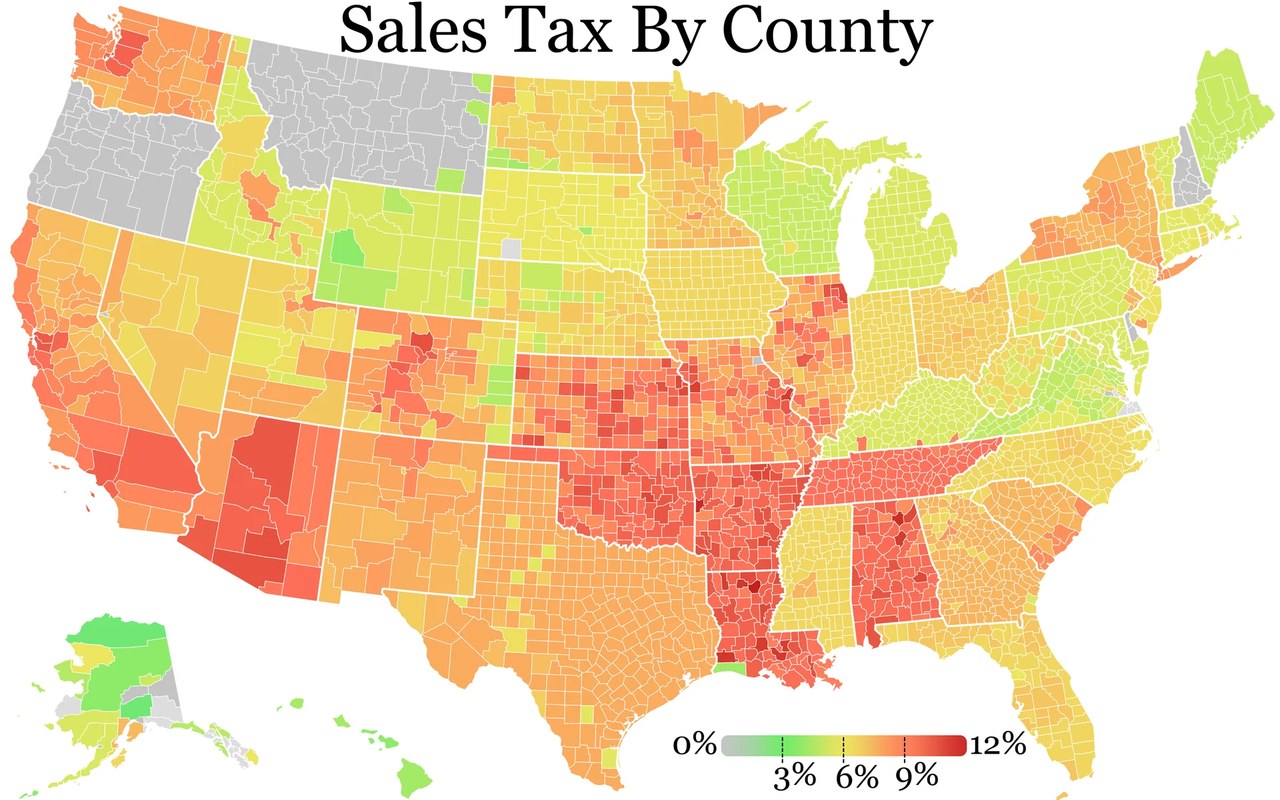
The state portion is 7.25 percent, and Los Angeles County adds transport and homeless-services measures to reach 9.5. Individual cities can add a further 0.75 to one percent: Santa Monica, Pasadena, Long Beach and Inglewood sit at 10.25, while Beverly Hills is 9.5. Rates are published by the state tax agency by address, and the same chain store charges different totals in different cities, which is not an error at the till but a consequence of where the shop is.
Groceries, prescription medicines and most unprocessed agricultural products are exempt; restaurant food, drinks and snacks are not. Online purchases are taxed at the delivery address, collected automatically by the large platforms, so there is nothing to file yourself. What catches people out is use tax: buy something substantial out of state and bring it into California, and technically you owe the difference, which is enforced mostly by self-declaration and occasionally by audit.
A car is the largest single instance. On a $40,000 vehicle, the gap between 9.5 and 10.25 percent is $300, but the rate follows your registered address, so buying in a cheaper city does not work. The same logic applies to electronics, where the saving is usually smaller than the fuel to collect it. If you care about the 0.75 percent, treat it as a marginal factor in where you shop, not a reason to drive across the county.