Neighbourhoods · Hollywood
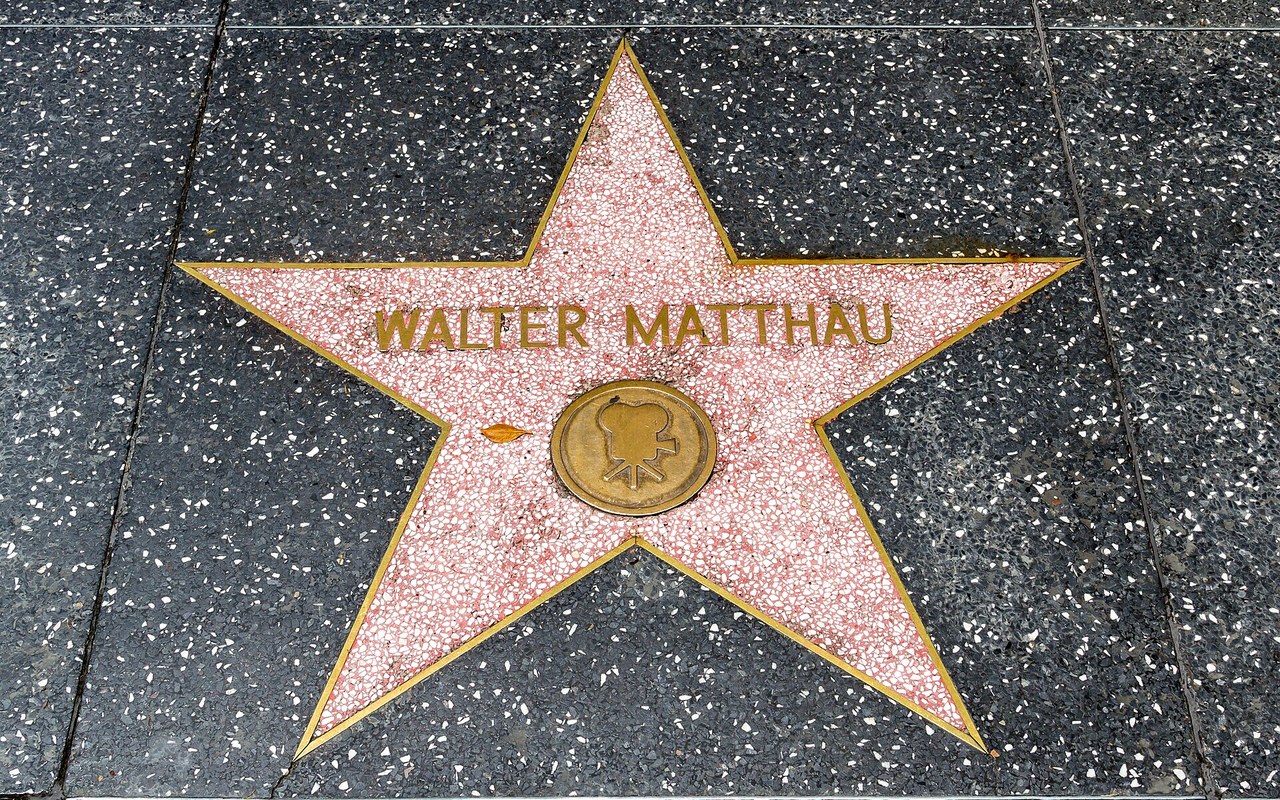
The reputation was made in the 1910s, when studios fleeing East Coast patent litigation decamped to Southern California. Nestor opened the first permanent studio on Sunset in 1911, and within ten years Hollywood was out-producing every other film center on earth. The Walk of Fame came later: work began in February 1960 with 1,500 blank stars set into coral terrazzo, and the roll now runs past 2,700. Each is sponsored for roughly $50,000 by a studio, a label or a family, which is why the names cluster around whoever was bankable the year the cheque cleared. The brass is replaced when it is stolen or damaged, and the terrazzo is patched rather than resurfaced, so the strip carries sixty-five years of footprints in its surface.
As urban history it is unusually legible. The theaters came first, the souvenir trade followed within a decade, and the residential hotels above the shops are now single-room occupancy housing. The Egyptian, opened in 1922, is the oldest surviving movie palace on the boulevard and still screens films. The Hollywood Roosevelt, across the street, opened in 1927 and financed part of its construction by selling the sidewalk outside, a piece of chutzpah that set the tone for everything since. Walk it once at midday, when the tour groups are thick and the light is flat, and once at 23:00, when it is empty and the signs do all the work.
The route is simple. Surface at Metro B Line Hollywood/Highland and the TCL Chinese Theatre is directly above you; walk east half a mile to Vine and you have covered the densest stretch. For a clean street shot, stand on the Dolby Theatre steps and shoot west, because after 16:00 the light swings backlit, and if you want empty sidewalk arrive at 08:00 before the first tour group assembles. Parking is the real cost: the Hollywood & Highland garage is $3 for two hours with validation, the Vine structure $5 for the first two. Both undercut the lots on Hawthorn, which quote $20 and mean it.
After 21:00 on Fridays and Saturdays, costumed superheroes work the sidewalk and will pose with you for $20 a photo and up. A polite no is enough; they are not licensed by anyone and they are not shy about asking twice. The genuine nuisances are parking and toilets, which is the argument for arriving by Metro B Line. Public conveniences exist at Hollywood & Highland and at the Ovation center, and nowhere else along the strip. If you only want the theater facades, come at midday on a weekday: the crowds thin, the light is flat but even, and the whole stretch takes half an hour.