Neighbourhoods · Santa Monica
Santa Monica was laid out in 1875 on the strength of the coast and the rail line, and its first industry was the sanatorium hotel, a polite way of describing a business built on sea air and nervous exhaustion. Third Street was closed to traffic in 1965 and became one of the first pedestrian shopping streets in the country, an experiment copied badly in a hundred other cities and successful here because the ocean is two blocks away. The Expo Line reached Downtown Santa Monica station in May 2016, putting the beach roughly 50 minutes from DTLA without a change, and weekend traffic on the approach streets eased in a way that parking did not.
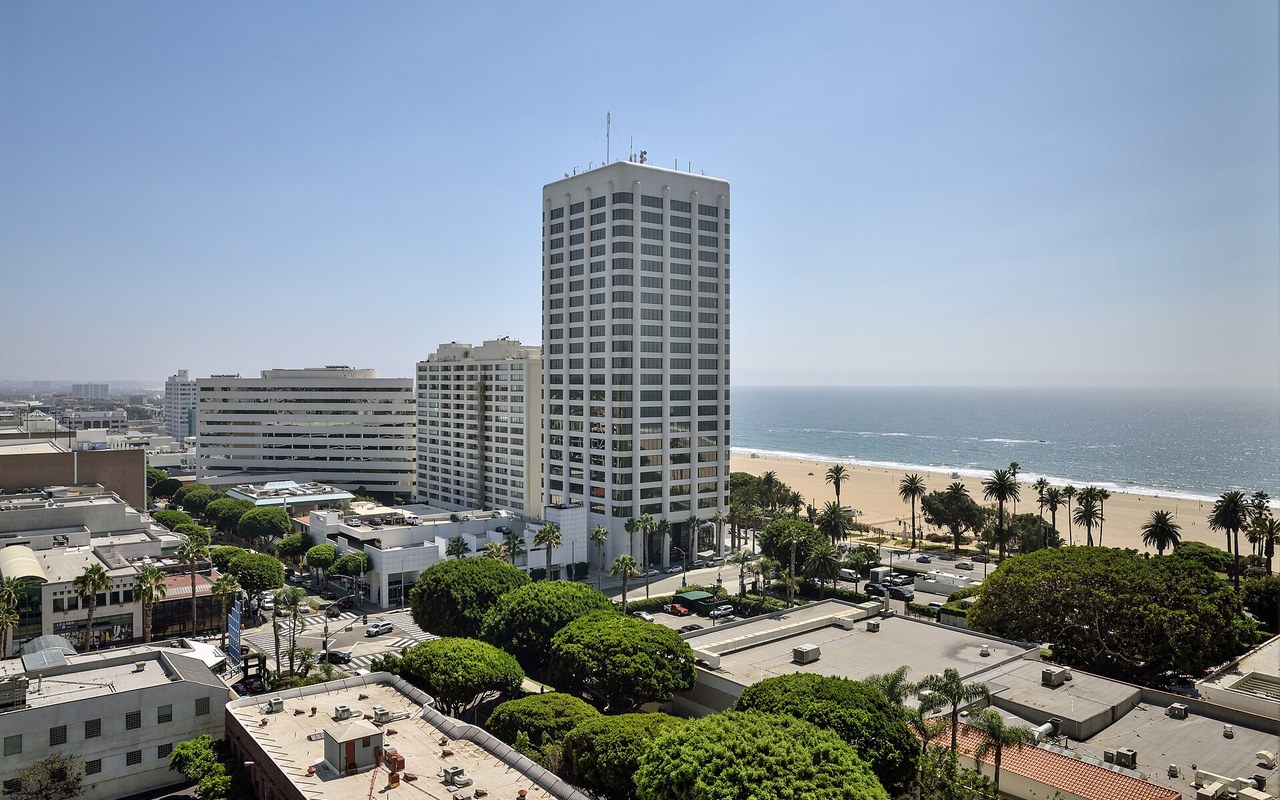
The bluff is what most visitors miss. Palisades Park runs a mile and a half along the edge from Colorado to Adelaide, planted with palms and Moreton Bay figs put in during the 1890s and now protected. The path belongs to runners before 07:00 and to everyone else after 10:00. Two hours before sunset is the good light, when palms and benches fall into shadow while the water stays bright, and the view runs north to Malibu on a clear day, which is most days in autumn. The stairs down to the beach are steep and slick after rain.
The route: out of the E Line at 4th Street, one block west to the Promenade, then west again through the park and over the bridge to the sand. Parking is expensive and enforced with enthusiasm: city structures give 90 minutes free then $2.50 per half hour, beach lots run $20 and up at weekends and fill by 11:00. The structures on 2nd and 4th are the ones to aim for, and the ticket has to be face-up on the dashboard or it is a $70 citation. After 22:00 walk with purpose and do not leave a bag on a bench.